How to Get Private Security Training - Ideal Private Security Training Institution
It includes tasks such as ensuring physical security and implementing security protocols. Private security training By doing so, you can gain the competence to work in such roles. For those who want to become private security guards, the first step is to apply for jobs at local companies or security departments.
Job postings can be found in local newspapers, websites, or on security firm websites. Each country and state may have different regulations and requirements. Basic requirements include being over a certain age limit. Other requirements include having a clean criminal record, passing a medical examination, and possessing a certain level of education.
Private security training and licensing requirements vary from country to country and state to state. Therefore, it is important to pay attention to local regulations. It may also be useful to contact local security authorities or companies to obtain up-to-date information.
What is Private Security?
 This refers to a training program designed to help individuals working in the security sector acquire fundamental skills and knowledge. This training includes ensuring physical security, protecting people's property and assets, and improving their ability to respond to incidents and maintain overall safety. Security personnel are taught local laws, human rights, and ethical codes of conduct. This ensures they perform their duties legally and ethically. They also receive training in incident response techniques. private security training they get it. In this way, they learn how to deal with potentially dangerous situations.
Private Security Training and Duties
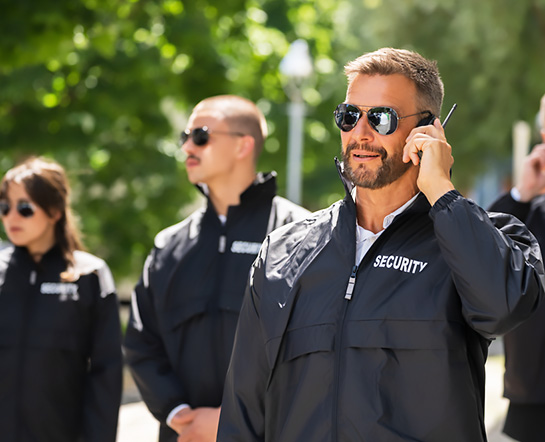
Security guards typically work in public and private sector facilities and perform a variety of duties. These duties include providing security and protection, responding to incidents, and protecting the safety of people and property, as well as creating a generally safe environment. Their duties also include checking entry and exit points, verifying identities, and preventing unauthorized persons from entering. They also patrol within the facility, identifying suspicious behavior and attempting to prevent potential security risks.
They detect unusual situations by monitoring security cameras and react quickly. They also intervene in emergencies by monitoring triggered alarms. They initiate the necessary procedures. It has the task of keeping people safe, especially at crowded events or shopping malls. Private security training Thanks to this, they provide first aid when they encounter injuries or medical emergencies. They notify emergency services when necessary. They also carry out fire extinguishing and evacuation operations using fire safety equipment. They monitor fire alarm systems and enforce fire safety procedures.
They document incidents, breaches, or other important information in written reports. These reports serve as a resource for security authorities or employers. They manage emergencies, conflicts, or other crisis situations effectively by remaining calm. They ensure security by bringing events under control. Private security officers ensure the safety of people and property by performing their duties. These tasks are essential for maintaining the security and order of all types of facilities.
Private Security Salaries
Salaries for private security guards vary depending on a number of factors. Geographic location, experience level, industry or organization in which they work, job location, and other factors may affect salaries. Salaries may also vary by country or region. Private security training and their experience often affects their salary. Those with more experience can often earn higher wages. The region where you live or work can significantly affect the salary level. Those who work in larger cities or high-cost areas can often earn higher salaries. Those working in smaller cities or rural areas may face lower wages.
They can work in different sectors. For example, security guards working in hospitals, shopping malls, airports, or banks have different salaries. Some jobs carry higher salaries because they involve higher security risks. Working hours and shifts can also affect salary. Working night shifts or weekends may result in extra pay or bonuses. It can vary greatly depending on a combination of factors. Your employer or the security firm you apply to will provide you with precise information about salaries. It's also important to stay informed about current job postings and trends in the security industry so you can better manage your salary expectations.
Private Security Work Areas
 Private security personnel working in shopping malls ensure the safety of both visitors and employees. They intervene in incidents such as theft, fights, and missing children. Their duties also include controlling entrances and exits, monitoring camera systems, and conducting security patrols. Airports are critical points where security must be at the highest level. Private security officers play an active role in passenger checks, baggage inspections, terminal patrols, and emergency responses.
They are also responsible for operating the X-ray machines at the entrances. Officers control site entry and exit, register visitors, and intervene in suspicious situations. They monitor cameras and patrol at specific times to ensure the safety of residents. Security guards working in hospitals regulate patient and visitor circulation and prevent tensions that might arise in the emergency room.
Hospital security guards protect the safety of hospital staff and intervene in incidents until the police arrive during crises. Private security personnel working in educational institutions ensure the safety of students and academic staff. They prevent suspicious individuals from entering the campus. They immediately intervene in any negative situations that may arise among students. Security guards working in banks provide security during money transfers and prevent potential threats within the bank.
Security personnel in ATM areas monitor security and intervene when necessary. In factory and industrial facilities, they protect production facilities from external threats, control entry and exit, and prevent unauthorized access. They are also on standby for rapid response to fires and workplace accidents. They work to ensure security at crowded events such as matches and concerts, preventing tensions between fans and conducting body searches at entrances and exits.
Crowd control and management are among their duties. Hotel security guards are responsible for ensuring the peace and safety of guests. They check people entering the hotel, report suspicious situations, and intervene in any incidents that may occur within the hotel. Private security personnel working in public buildings ensure the safety of both employees and visitors. They monitor entrances and exits, protect official documents, and take precautions against potential threats.